
Healthcare and diagnostics
From the first model to the submission, and every update after.
Clinical models are judged on patients they’ve never seen, by reviewers who ask why. tessel keeps the evidence, shows what your model relies on, and puts the signals in front of whoever makes the call.
Built for regulated work: held-out set discipline, evidence for a 510(k) or De Novo submission, and predetermined change control plans.

Admitted with community-acquired pneumonia and treated with IV antibiotics. Started on metformin 500 mg twice daily. History of atrial fibrillation. Follow up with primary care in two weeks.
- ✓Pneumonia, IV antibiotics: in the admission notes
- ✓Metformin 500 mg twice daily: in the medication record
- ✕Atrial fibrillation: not in the record. Flagged for a clinician.
One decision. Every question behind it.
- Will it be safe for the next patient?Under 18 falls below target, so it comes out of the intended use.
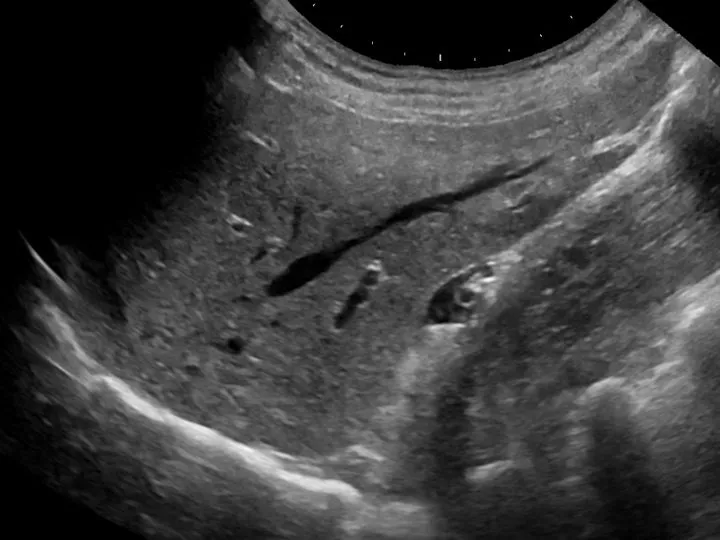
- Can a clinician trust what it relies on?It relies on the anatomy, not on scanner markings.
- Will a reviewer accept every claim?Each claim tested on its own, the held-out set opened once.
- Will the next update keep them?A predetermined change control plan, drafted with the submission.
| Claim | Evidence | |
|---|---|---|
| Meets the performance target | held-out set, opened once | met |
| Holds across sites and scanners | results by site and device | met |
| Holds across patient groups | results by age and sex | adults only |
| Updates keep these claims | change-control plan | drafting |
The platform, in a regulated workflow.
Record
The evidence behind every claim, kept as you go, for your design history and your submission.
Understand
What the model relies on, by site, scanner and subgroup, found before a reviewer finds it.
Automate
Change control: routine updates ship when the evidence holds, and drift goes to a person.